
The Scale of Ambition
As you entered the original Valar Atomics warehouse facility just a few years ago, the control rod test stand would tower over you. Roughly the height of a basketball hoop, the structure dominated the warehouse. It felt like an imposing dream yet to be fulfilled. Now, as Isaiah (Valar’s CEO) guided us through their latest facility, that same test stand felt like a childhood toy. The realization of a dream had consumed it. In the expanse of Valar’s 500K square foot facility built to manufacture hundreds of reactors, no one device can dominate the landscape any longer. All that you feel is the scale of ambition made manifest.
Energy Cost Convergence
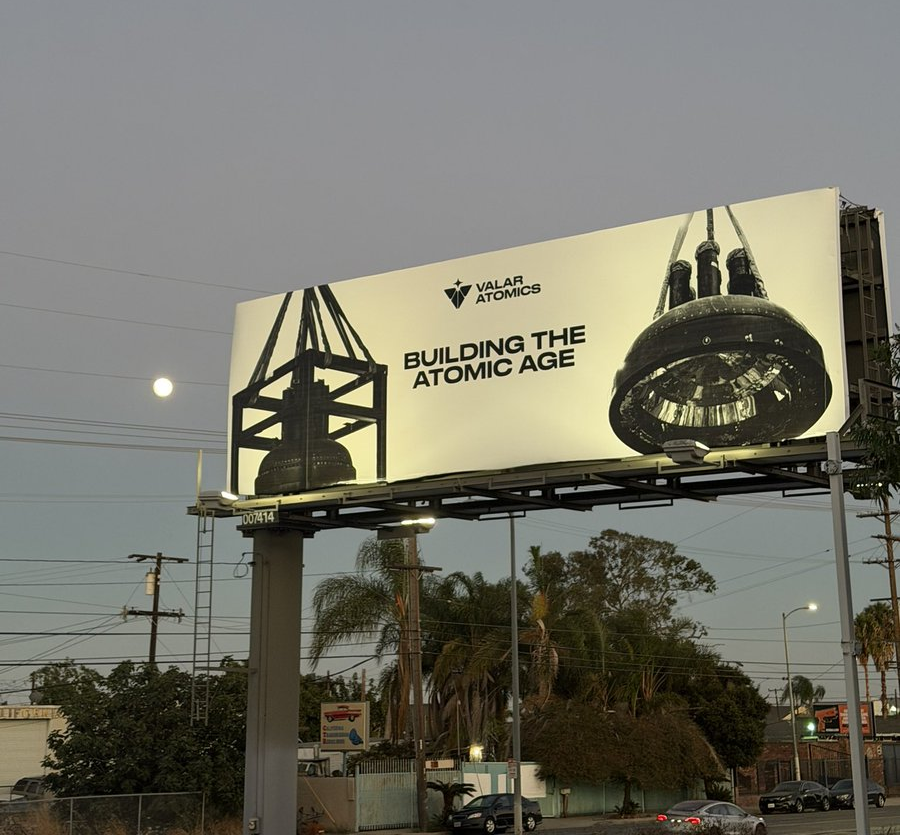
The story of Valar is a piece of a much bigger story that we are all in the early chapters of living. It is a story that we built this firm to help write. Isaiah calls this the age of hyper-techno-industrialization — when the cost of manufactured goods rapidly converges to the cost of energy used to produce it.
Isolated forms of this convergence have happened before. Sitting in Valar’s nuclear fuel fabrication facility that comes online this year, Isaiah gave his case for the future of hyper-techno-industrialization with Sarah Guo from Conviction Partners by telling the story of the “precious” metal we know as aluminum…
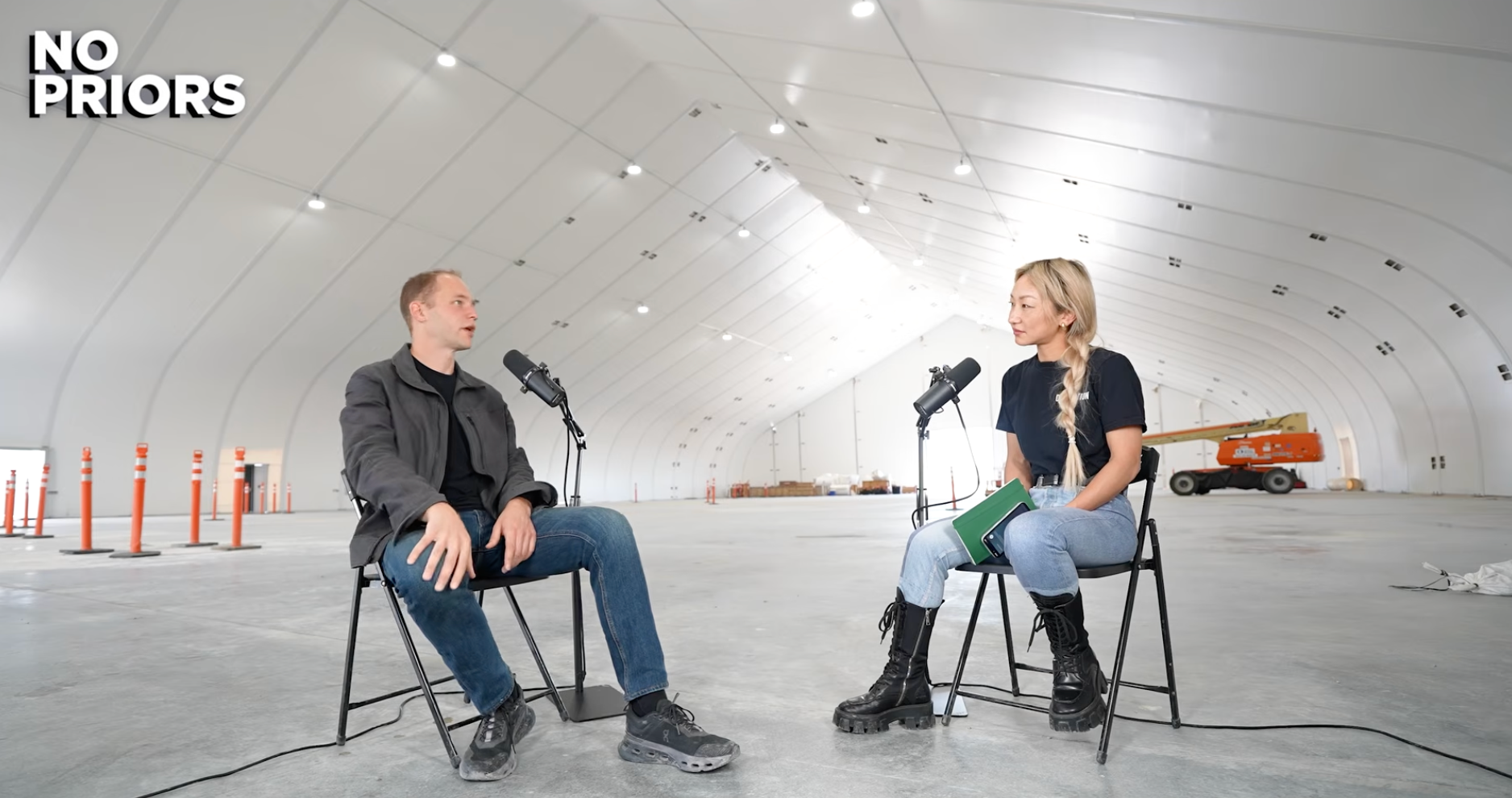
We're in an aluminum strut building right now. Every one of these struts you can see behind us is made of aluminum. There was a time when aluminum was considered a precious metal — kings would literally make jewelry out of aluminum because it was that rare.
And the thing that changed it into a structural metal that we make buildings out of is energy becoming cheaper. Charles Hall, here in the United States, figured out aluminum electrolysis, and cheap enough energy means you can actually just separate that oxide from the aluminum and have pure aluminum metal. That is entirely downstream of energy.
The Third Wave of Industrialization
If we look at any manufactured goods (from aluminum sheets to Teslas), they are produced from some combination of [1] labor, [2] material/machines, and [3] energy. This has been true since the Industrial Revolution. Beginning in the eighteenth century, industrialization turned human labor into standardized machinery and processes. In the late twentieth century, techno-industrialization connected and coordinated those machines across global supply chains via digitization.
In the wake of the ChatGPT moment, we are collectively realizing the potential of AI’s scaling laws. With sufficient compute and training/reasoning time, we are able to apply generalized ML techniques to data-rich domains and achieve super-human results. When this type of intelligence is embodied in robotic systems and integrated in the software of organizations that manage them, it becomes possible to transform labor to materials/machines. These materials/machines are themselves manufactured and thus benefit from the same transformation. This is the generalized convergence of production costs to energy costs aka hyper-techno-industrialization.
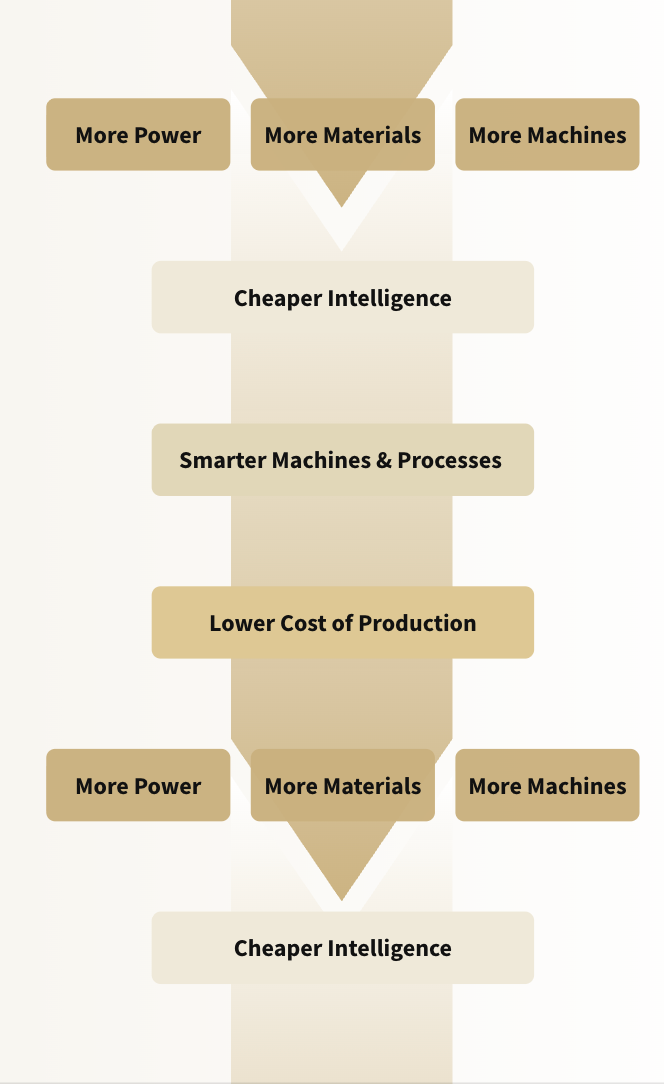
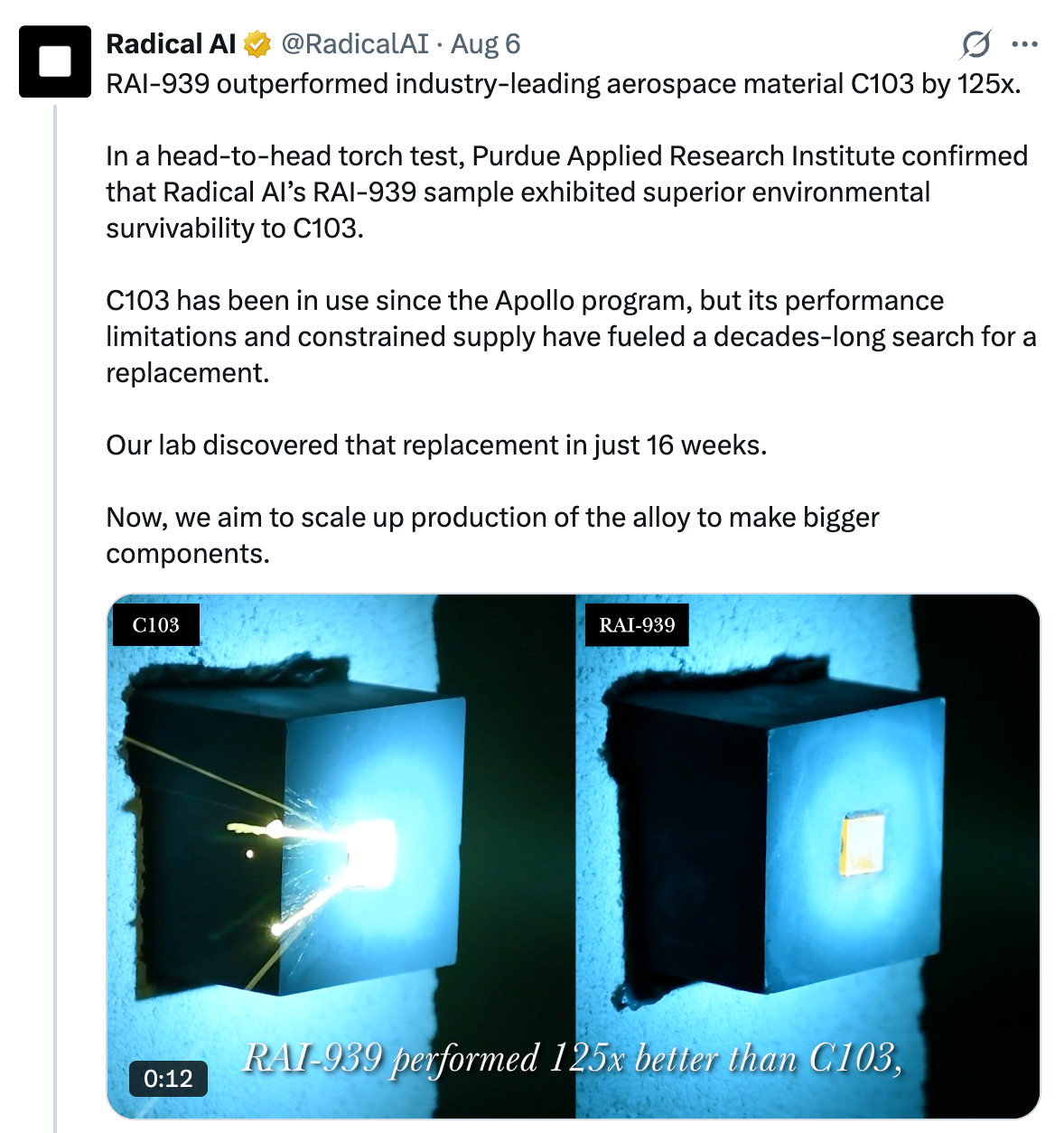
Although elegant, the above framing ignores the difficulties associated with actually taking advantage of scalable intelligence denominated tokens per watt. Namely, if artificial intelligence continues to materially increase our collective learning rate — constantly unlocking new methods of production, new materials (see below from Radical AI), new means of structural design, and more — companies and their systems must be built with constant evolution at their core.
Designing for Constant Evolution
Through each age of industrialization, there is a quality of production that is disproportionately rewarded by the market. The standardization of Henry Ford’s production line in the industrial age. The coordination of Apple’s global supply chain in the closing era of techno-industrialiation. And thus far, at the beginning of hyper-techno-industrialization, Tesla’s commitment to constant evolution at scale. With Tesla, we can start to see tactics that other companies will increasingly emulate and improve upon:
Software Separation → all vehicles with compatible hardware can be updated without hardware modification.
Vertical integration → fewer suppliers reduces the number of design contracts/schedules that must be coordinated with to make a change.
Product/Part Consolidation → by supporting fewer models with higher component sharing, improvements can be more easily introduced across the fleet and once again reduce suppliers.
Sensor Integration → connected vehicles provide diagnostics and performance data to improve vehicle capabilities (including self-driving).
Continuous Production → factory design assumes iterative part updates within model years not just at new releases.
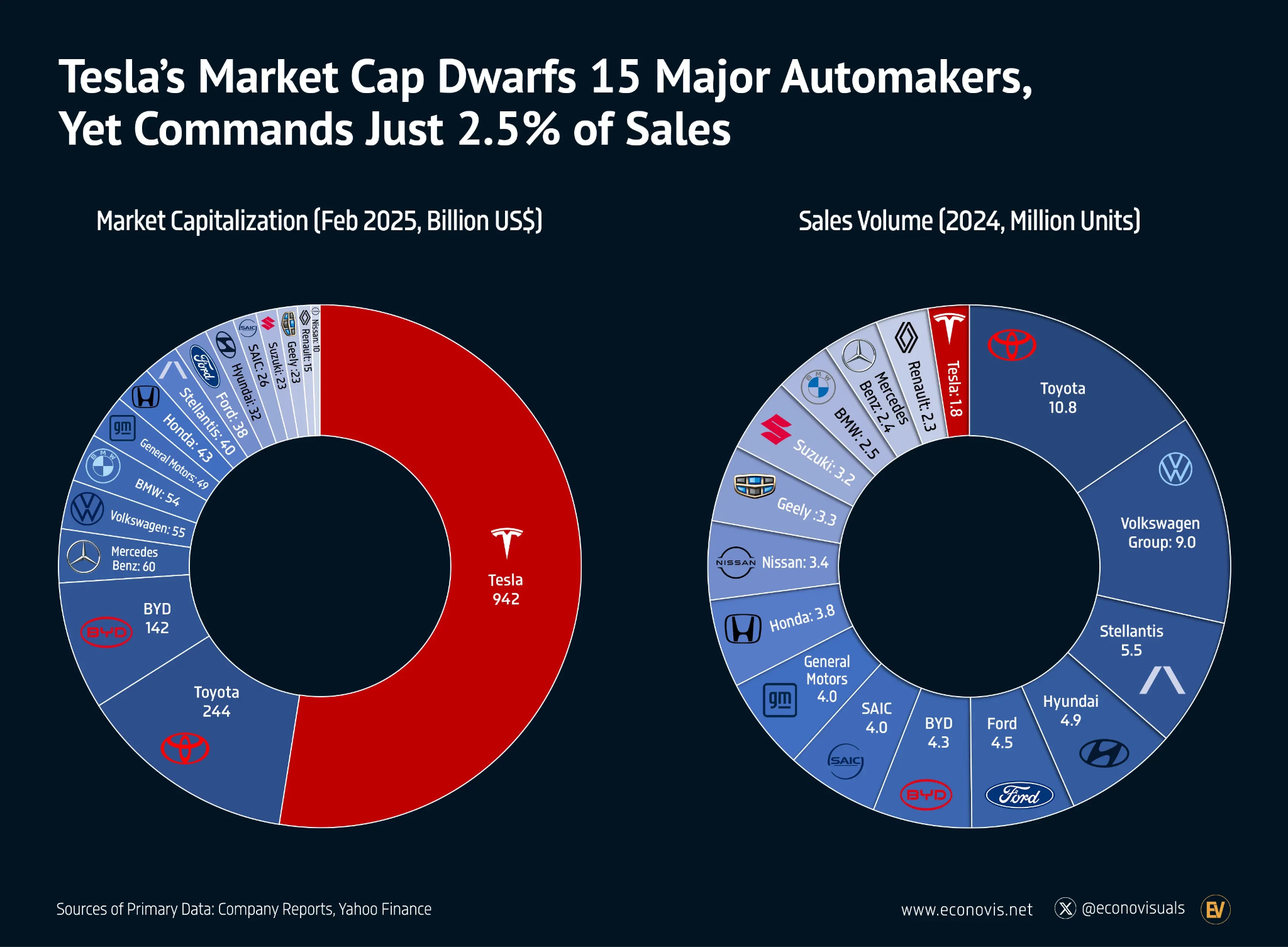
The above though are just derivations of the core principle of designing for constant evolution. We know this principle will take many forms. Our goal as a fund is simply to identify and invest in those founders who hold the conviction that scaling laws are real/continuing and thus the learning rate of an organization will be strongly determinant of its success.
Once you have this framework in mind, you can begin to see how the world is already silently organizing itself around this principle like a subtle magnetic field delicately twitching us into closer and closer alignment. In war, instead of making big planes, we make many, many small drones. In energy, instead of making big reactors, we make many, many small ones. In space/telecoms, instead of making big GEO satellites, we make many many small LEO ones. These decisions to modularize the end product to increase the iteration rate is the beginning acquiescence to this new dominant force in the market. Or as Isaiah would describe it, optimizing for the “tick rate” of the company.
Valar’s Commitment to Constant Evolution
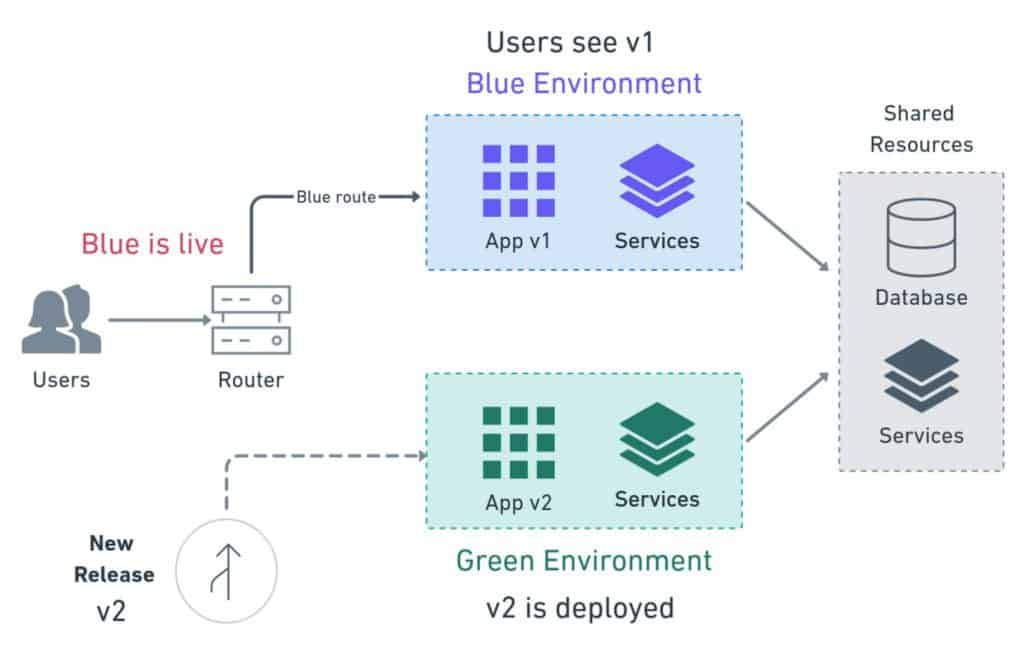
As we seemed to complete the walk of Valar’s vast new facility floor, we asked Isaiah what was on the other side of the large wall at the end of the hall. His answer, “the next version.” For those familiar with software, Isaiah had made the entire building a manifestation of the software release practice of blue-green deployments. By running two production environments side by side, you serve customer demand from one while upgrading the other. Once upgrades are stable, you switch production environments. Back and forth ad infinitum. Always online. Always improving.
But Isaiah’s commitment to continuous evolution did not end there. Leaving the Valar HQ, Isaiah invited us to visit a supplier he was vetting (which we always love to do to avoid being blind people describing the color blue). This potential supplier was being evaluated for a component within the power conversion system. As the meeting progressed, it became clear that one of the reasons this supplier had bubbled to top of the list was because they had developed a method of producing ready to pour part molds from CAD files in a couple weeks versus the months required for traditional die based techniques. More molds in the same period of time would mean a faster learning rate.
Our Commitment
As we enter this age of hyper-techno-industrialization, we open the path to new levels of abundance. But this abundance is predicated on building industrial systems that can continuously evolve to take advantage of the increasing boons from AI. Looking forward, we will identify those businesses that put continuous evolution at the core of their factory/product design as well as those that eliminate the bottlenecks to continuous evolution for their customers. We believe those will be the great industrialists of our age and we intend to invest in their future monopolies.